How I'm making a video a day with Claude
I’m making a video a day in November: short, vertical, mostly me talking, on YouTube and TikTok. It’s a group challenge, the November Video Challenge, and each of us posts one a day. Mine are edited by Claude Code, Anthropic’s coding agent, which runs programs on my computer.
Paul Millerd is in the same group. He wrote The Pathless Path, and he wrote up how he edits video with Claude Code. Read his first. He has a good chunk of it. This is how mine works, and where it’s different.
What does a day look like?
- I record a voice memo, or I shoot a clip on my phone, and AirDrop it to the computer.
- Claude transcribes it and shows me a rough cut in about twenty minutes. The order, the cuts, the captions. Nothing else.
- I give notes. The ums come out, and no word loses its last sound.
- Claude proposes three titles, a caption for each platform and a cover image. A second agent reads them and says ship or don’t ship.
- I say yes, and it goes out early the next morning on YouTube and TikTok.
I film, talk and decide. Claude does the editing, the captions, the covers and the posting, and keeps track of what went where.
A few of them: Back to school at 46. For math? I’m very busy. I’m getting beat at chess by my 13 year old son. The rest are on YouTube and TikTok.
Where does the footage come from?
Mostly from my phone, and mostly from before November. For the last two or three years I’ve been taking video as I’ve been out in the world. Walks, the kids, a parking garage before class. About four thousand clips.
Claude went through all of it. Every clip is tagged with who is in it, where and when. For the footage I’ve used so far, the good moments are marked, with what was said in them.
So most days I don’t film anything new. I record a voice memo, like I’m explaining it to one person, and Claude cuts footage I already have to fit the words.
This one is a voice memo from this month over a walk from April 2025. Paul calls his version a b-roll library, footage that plays under someone talking, and it’s the best part of his page.
Is it one Claude doing all of this?
No. Different agents do different parts, and they don’t all see the same things. An agent here is a separate Claude session with its own instructions.
- The editor. The session I talk to. It transcribes, cuts, captions and builds the cover, and it takes my notes.
- The one that watches my phone. Twice a day a separate session looks at whatever I shot, writes down what is in each clip, and says which video it could go in. By evening I have usually forgotten I shot it.
- The adversary. A fresh session that reads the title, the caption and the cover before they post. The next question is about this one.
- The one that drafts replies. Twice a day it reads the new YouTube comments and drafts an answer to each. I send it, change it or leave it. TikTok gives it no way in, so I read those myself.
Then there are plain scripts that are not agents at all. One measures the finished file: its size, its loudness, whether sound and picture line up. One reads the view counts every four hours.
Why does a second agent read your titles?
Because the agent that made the video likes the video. It also knows why it chose every word, so it can’t read the title the way a stranger will.
So once the cut is good, the editor proposes three titles, the caption for each platform and a cover. Then a fresh session, one for YouTube and one for TikTok, gets all of it cold. It has not seen my conversation with the editor. It is told to check the facts against the video, check that the title sounds like me, look at the cover at the size a phone shows it, and answer ship or don’t ship, with the fix written out.
Two of my first three came back don’t ship. It caught a description that said 37 domains where the screen said 26. It caught a title that said we found the man we were looking for, when we hadn’t.
Paul has review agents that rate the picture and the sound. Mine reads the words. I want both.
How many versions do you look at?
One, unless I ask. The rule is: show me the cheapest cut first. A rough cut, fast. I only get a second version if I ask for one. Claude will always make a better version if you let it. In week one I was looking at four to eight cuts a day.
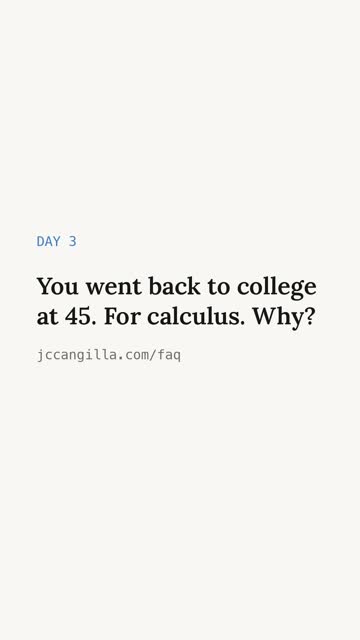
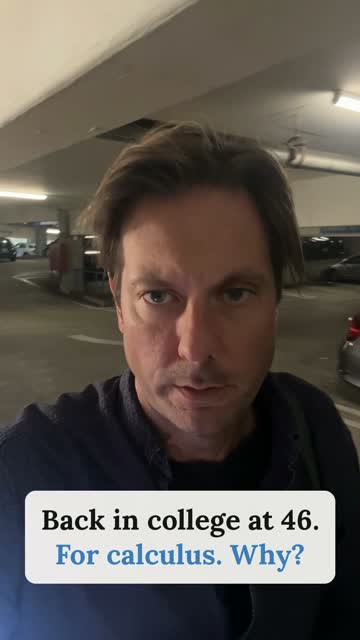
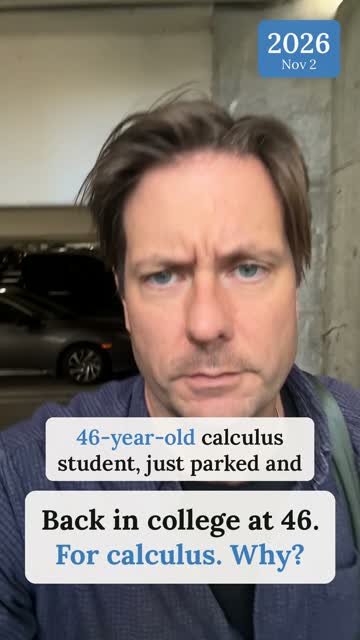
That’s day three, before the rule. Seven versions to get from a title card to my face.
Why did it keep cutting off the ends of your words?
Two things, both in the transcript.
Whisper, the thing that transcribes, says a word ends a little before it does. So a cut placed at the end of a word lands inside it, and I lose the G on “range.” The fix is to check the audio at every cut, before and after it, and leave a little air after the last word.
And I say um a lot. Whisper doesn’t write ums down, so there was nothing to cut. Now there’s a second transcription, told to keep them. When an um is stuck to a word, the word wins and the um stays.
I asked for both of these on five different days before either one stuck. Paul’s page has a rule for that, and I’m taking it next: a note about a mistake becomes a check the same day.
Why do your videos end on a projector?
I end all of these videos with the projector, and the address of this site or of whatever the video was about.
I like it. I don’t think it’s doing anything.
How do you know what worked?
I mostly don’t, and it isn’t what I’m looking at this month. There’s a ledger of every video and where it went, and I have the analytics from both platforms.
Right now I’m focused on output and process: make one every day, in a way I can do again tomorrow. Views come after that.
Paul already wrote this up. What did you take, and what’s different?
A good chunk of mine is his. I took four things from his prompt the day he posted it:
- Transcribe the finished video again and compare it with the captions.
- My approval locks the file. If it changes after I say yes, it needs a new yes.
- Line the words up against the audio, so each word’s time is measured and not guessed.
- A chart of the kinds of shot a video is allowed to use, so Claude stops inventing new ones.
Mine is different in four ways:
- Most of my footage is years old.
- My cuts kept clipping the ends of words, so I check them differently.
- My videos end on a projector, which Paul says never to do.
- A second agent reads the title before anything posts.
Can I copy this?
The prompt, yes. Paul’s page has one, so here is mine. Paste it into Claude Code and it will ask you what it needs before it builds anything.
The code, not yet. It’s a pile of Python around two free tools, ffmpeg for the cutting and Whisper for the transcripts, and it knows too much about my folders to be useful to you. The piece that checks the cuts is the closest to standing on its own.
I want to make a short vertical video most days, from clips on my phone and voice memos, with you as my editor. Set this up in this folder in stages, and ask me before each stage rather than building everything at once. This covers four things: knowing what footage I have, the edit, the check before posting, and the post.

HOW WE WORK
- I talk first. Most days I will record a voice memo, like I am explaining it to one person. Transcribe it and cut footage I already have to fit the words.
- Show me the cheapest cut first, within twenty minutes of my putting the memo or the clip in the inbox folder: the order, the cuts, the captions. In that rough cut, no cards, music, blur or logos. I get a second version only if I ask for one.
- Keep a rules file. Every note I give goes into it with the date. When a note is about a mistake, add a check that catches it, in the same edit. Read the file before you start each video.
- Give me a recommendation, not a menu. Use plain language.

THE FOOTAGE
- Before the first video, go through the video I already have (ask me where it is). For each clip write down what is in it, who is in it, where and when, from its frames and not its file name. For clips with talking, transcribe them and mark the moments worth using, with what was said and the times. Keep this as one index you can search.
- Never move, rename or delete my originals.
- When I shoot something new, add it to the index and tell me which video it could go in.

THE CUT
- Transcribe locally with Whisper, with word times, then force-align the words to the audio.
- Whisper leaves out ums. Transcribe a second time with a prompt that tells it to write the fillers down, and find where each um starts and stops from the audio. When it is only me talking, take um and uh out by default. When an um cannot come out without touching the word next to it, the word wins and the um stays. Tell me which ones stayed.
- Never place a cut from a word time alone. Measure the audio. A cut may land only in a real gap: about 150 ms of quiet, counting the air before the cut and the clear stretch after it. The short stop inside a last consonant (before the "ge" in "range", the "x" in "inbox") is not a gap, so listen after the cut as well, and listen for the hiss of the consonant finishing. Leave about a tenth of a second of air after my last word.
- After every render, measure every cut edge again and fail the render if one is inside a word. If I want a cut that lands mid-word on purpose, I will say so, and you mark that one as an exception.
- Transcribe the finished file again and compare it with the captions. No missing line, no words played twice at a join, no caption I did not say.
- One loudness for every video: -16 LUFS unless I pick another.

THE END
- Every finished video closes on the same short bumper, about three and a half seconds. Ask me what it shows. Build it once as an HTML animation rendered to frames, with the web address as a setting, and ask me which address before each video, with a suggested pick.

BEFORE ANYTHING POSTS
- When I say the cut is good, propose three titles, the caption or description for each platform I post to, and three frames for the cover with your pick. Build the cover: the picked frame with one short line of text on it. Use words I say in the video where you can. No marketing language where a plain fact would do.
- Then start a fresh agent for each platform, with the same written brief every day. Give it the video, the exact text that platform will show, the cover, and where to check each fact in the title and caption. Do not tell it why you made your choices. It answers SHIP or DO NOT SHIP, with what is wrong and the fix written out. Fix every blocker and have a fresh agent read it again.
- Show me the titles, the text, the cover, each verdict and what changed. Only then ask me about posting.
- Write a gate script that measures the exact file (size, length, loudness, audio and picture in sync, every cut edge, the captions against the audio, the title, the cover) and records the file's sha256. Record my yes against that hash.

POSTING
- Ask me which platforms. Use the platform's own API where it has one and a scheduling service where it does not. Keys stay in a file outside this folder, never in chat.
- The posting script refuses a file that was never measured, failed a check, was not approved, or changed by one byte or one word after my yes.
- Keep a ledger: every finished video, where it went and the link, written the same turn it posts.

Before you build anything, ask me what you need to know.